Subscribe to out newsletter today to receive latest news administrate cost effective for tactical data.
2478 Street City Ohio 90255
Monday - Tuesday:9am - 6pm
Friday - Sunday:8am - 5pm
Sunday: Closed
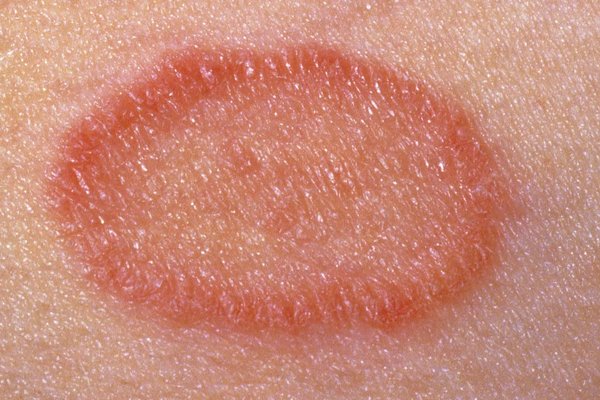
Red patches and blisters on the skin can signal a variety of underlying conditions such as eczema, psoriasis, allergic reactions, or rare blistering disorders. These symptoms often occur due to inflammation, irritation, trauma, infection, or an immune system response.
For example, eczema (atopic dermatitis) usually appears as red, itchy patches and may lead to blistering when inflammation becomes severe. Psoriasis, on the other hand, can cause thick, red plaques with silvery scales β and in rare cases, blisters may also develop. Additionally, contact dermatitis or allergic reactions often trigger red rashes and fluid-filled blisters when the skin is exposed to irritants or allergens.
Moreover, certain autoimmune or genetic conditions may cause spontaneous blistering, which can be distressing for both patients and healthcare providers. Identifying the root cause is essential for effective treatment and long-term relief.
At Skin 6 Clinic, our expert dermatologists provide comprehensive care for red patches and blisters, focusing on both immediate relief and long-term skin health. We understand that these symptoms can stem from a variety of causes, including allergies, infections, and autoimmune conditions. Thatβs why our treatments are customized for each patient β combining accurate diagnosis, advanced therapies, and a holistic approach to restore healthy, clear skin.
At Skin 6 Clinic, we take a personalized and science-backed approach to treating red patches, rashes, and blisters. Here’s how we care for your skin:
We prescribe anti-inflammatory creams and ointments to reduce redness, itching, and swelling directly at the affected area. Our dermatologists choose the appropriate strength and formulation based on your skin type and condition severity.
For conditions that donβt respond well to standard treatments, we offer advanced options like tacrolimus, pimecrolimus, or newer immunomodulators such as tofacitinib. These help regulate the immune response and reduce flare-ups.
In severe or widespread cases, oral corticosteroids or biologic therapies may be used to manage inflammation from within. Each treatment is tailored to your specific diagnosis and medical background.
We use UVB or PUVA light therapy to treat chronic conditions such as eczema or psoriasis. This is done in a safe, controlled environment using advanced light-based equipment.
If your condition is complicated by bacterial or fungal infection, we provide targeted topical or oral antibiotics and antifungal treatments for fast and effective relief.
For rashes caused by allergens, we conduct comprehensive patch testing to help pinpoint triggers. This allows us to personalize your treatment and reduce future outbreaks.
Dry and damaged skin can worsen many conditions. We provide customized skincare plans that include barrier repair creams, emollients, and moisturizers to support healing and hydration.
We offer expert tips on reducing triggers, optimizing your skincare routine, and making daily choices that support long-term skin health.
We believe informed patients make better health decisions. Our team ensures you fully understand your condition, treatment options, and how to manage your skin between visits.

At Skin 6 Clinic, our dermatologists are committed to delivering personalized, advanced care designed around your unique skin needs. We focus not only on treating symptoms but also on improving your overall skin health and quality of life. With the latest technologies, proven treatments, and a compassionate approach, we provide exceptional dermatological services you can trust.
The novel coronavirus (COVID-19) is a newly identified virus that primarily affects the respiratory system. It spreads through droplets from coughs, sneezes, or close contact with infected individuals. Common symptoms include fever, cough, and difficulty breathing. Practicing good hygiene, wearing masks, and social distancing are key to preventing its spread.
You can prevent cavities by brushing your teeth twice a day with fluoride toothpaste, flossing daily, and limiting sugary foods and drinks. Regular dental cleanings and check-ups also help identify early signs of tooth decay. A good oral care routine is the best defense against cavities.