



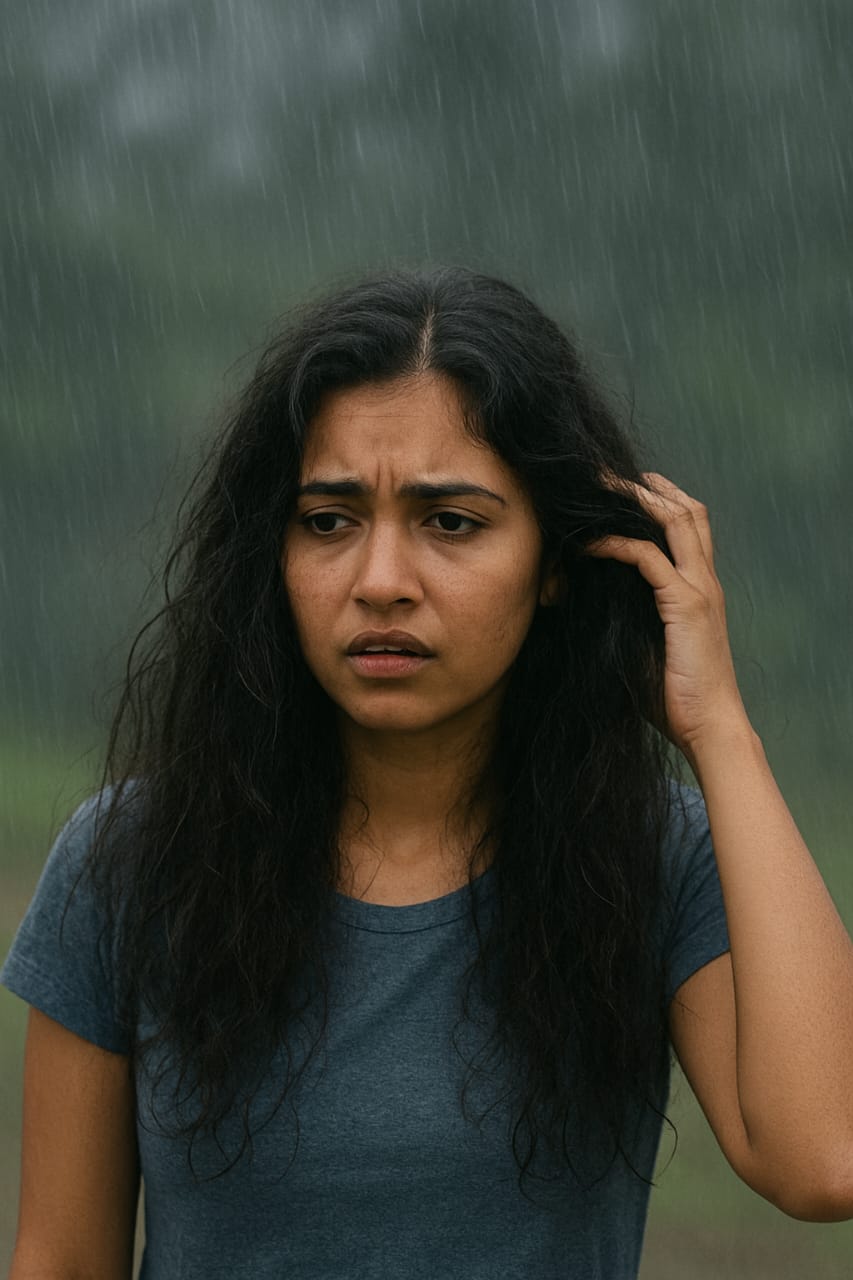
The monsoon season brings welcome relief from the summer heat, but it also creates challenges for your hair. Excess humidity, constant dampness, and increased scalp infections can make your hair weak, frizzy, and unmanageable. At Skin 6 Clinic, our dermatology experts share solutions to help you tackle the most common monsoon hair problems and keep your locks strong, shiny, and healthy.
Common Hair Problems During Monsoon
1. Hair Fall & Breakage
Humidity weakens hair roots, causing excessive hair fall. Use mild shampoos, avoid tying wet hair, and reduce heat styling to minimize breakage.
2. Frizz & Dryness
Moisture in the air raises frizz and makes hair rough. Apply anti-frizz serums, silicone-based creams, or hydrating conditioners to smoothen hair cuticles.
3. Dandruff & Scalp Infections
Fungal growth thrives in the damp scalp, leading to dandruff and itching. Use an antifungal shampoo with tea tree oil, ketoconazole, or salicylic acid.
4. Oily & Sticky Hair
Sweat and humidity increase oiliness, attracting dirt and pollutants. Wash hair regularly with a gentle shampoo to prevent buildup.
5. Split Ends
Excessive washing and moisture weaken hair ends. Regular trims and nourishing hair masks can help prevent damage.
6. Limp & Flat Hair
Humidity flattens hair, reducing volume. Use lightweight conditioners and avoid heavy styling products to maintain bounce.
7. Itchy & Smelly Scalp
Sweat and fungal buildup can lead to irritation and foul odor. Keep your scalp dry, use scalp scrubs, and switch to medicated serums when needed.
Monsoon Hair Care FAQs
Q1: Why does hair fall increase during monsoon?
High humidity weakens roots, and fungal scalp infections worsen hair fall. A balanced diet, stress management, and proper care can control it.
Q2: How to control frizz in monsoon?
Use sulfate-free shampoos, hydrating conditioners, and light hair serums. Minimize heat styling.
Q3: Is daily washing good?
No. Washing hair daily strips natural oils. Wash 2–3 times a week with a gentle shampoo.
Q4: Can dandruff worsen in monsoon?
Yes. Fungal growth increases, making dandruff worse. Use antifungal shampoos as needed.
Q5: Which oils are best?
Avoid heavy oiling. If needed, use argan oil, almond oil, or light coconut oil sparingly to nourish without weighing hair down.
Q6: How to prevent itchy scalp?
Keep scalp clean, avoid sharing combs, and use medicated shampoos. If persistent, consult a dermatologist.
Q7: Can monsoon cause split ends?
Yes, due to excess humidity and frequent washing. Prevent by trimming regularly and using nourishing masks.
Q8: Can diet help reduce hair fall?
Absolutely! Include protein, iron, zinc, biotin, and omega-3 fatty acids. Stay hydrated to maintain scalp health.
By following these expert-backed tips and choosing the right hair care routine, you can enjoy healthy, strong, and beautiful hair—even during the challenging monsoon season.