



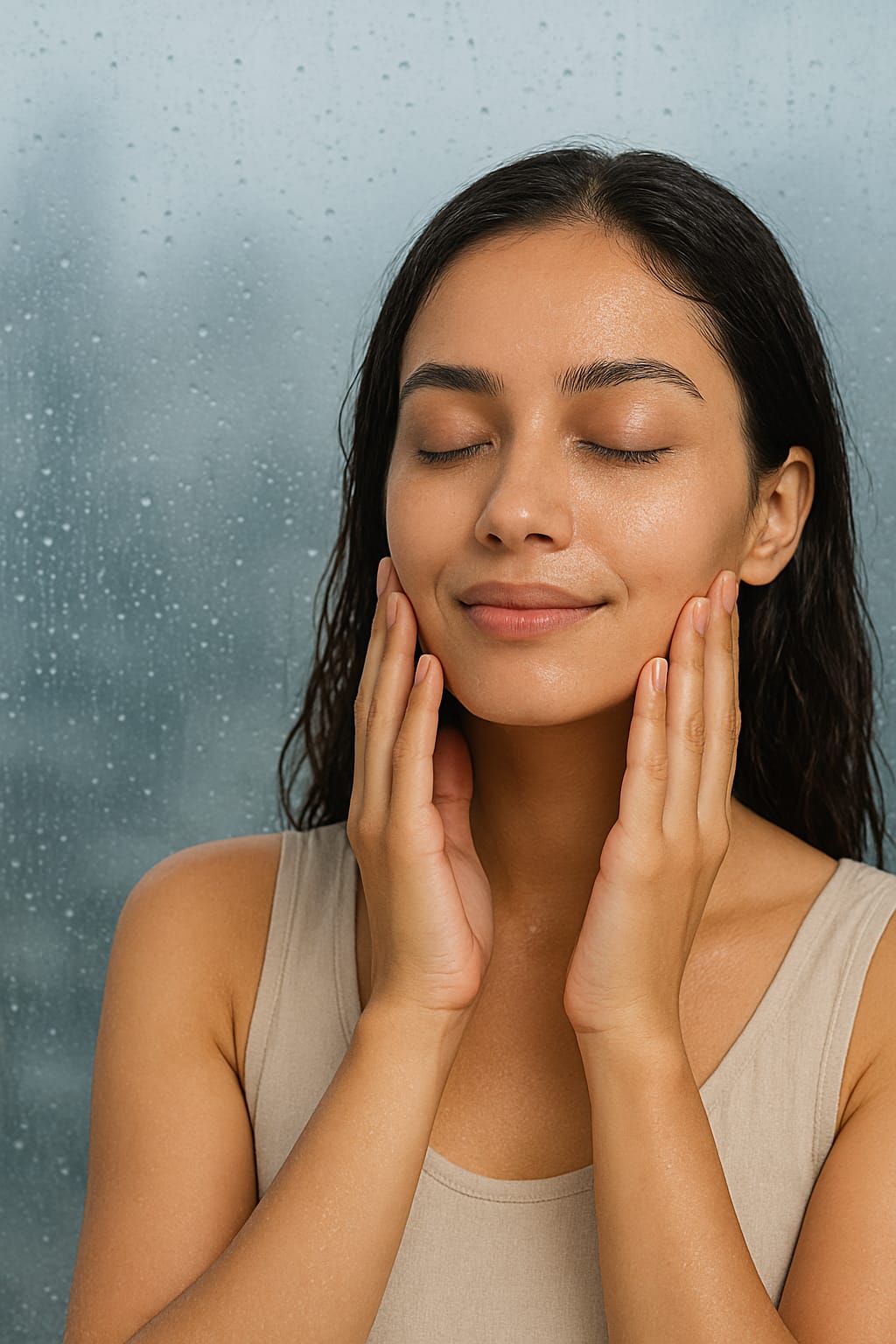
The monsoon brings welcome relief from summer heat, but increased humidity and dampness can trigger several skin issues. At Skin 6 Clinic, Gurgaon, the belief is simple: healthy skin begins with the right care. Here’s a rephrased, SEO-optimized guide to common monsoon skin problems and how to prevent them, based entirely on the attached document.
Common Monsoon Skin Problems
- Acne and Pimples: High humidity boosts sweat and oil production, clogging pores and causing breakouts.
- Fungal Infections: Damp clothing and moisture create ideal conditions for fungal growth, commonly affecting the feet, armpits, and groin.
- Dull and Oily Skin: Excess humidity can make skin greasy and reduce its natural glow.
- Rashes and Allergies: Contact with dirty or stagnant rainwater may lead to rashes and allergic reactions.
- Eczema: Humidity can worsen eczema, causing itchy, inflamed skin.
- Folliculitis: Inflammation of hair follicles due to bacterial or fungal infections, often triggered by sweat and humidity.
- Hyperpigmentation: Indirect UV exposure can increase melanin production, resulting in dark patches.
How to Prevent Monsoon Skin Problems
The rainy season can be tough on skin, but a few simple steps can keep it healthy and glowing.
Prevention Tips
- Cleanse Twice Daily: Use a gentle cleanser to remove dirt, oil, and bacteria that clog pores.
- Stay Dry: Thoroughly dry skin, especially underarms, groin, and between toes, to prevent fungal infections.
- Use Antifungal Powder: Apply in sweaty areas to keep skin dry and reduce infection risk.
- Moisturize Lightly: Choose a non-greasy, water-based moisturizer for hydration without clogging pores.
- Wear Breathable Clothes: Opt for loose, cotton fabrics to improve airflow and reduce sweating.
- Avoid Heavy Makeup: Minimize makeup to keep skin fresh and sweat-free.
- Eat Healthy and Stay Hydrated: Include seasonal fruits, green vegetables, and drink plenty of water.
- Protect Your Feet: Avoid wearing wet socks or shoes for long periods.
Professional Skin Treatments at Skin 6 Clinic
For persistent acne, fungal infections, or dull skin during monsoon, dermatological care can help. Skin 6 Clinic, Gurgaon, offers:
- Acne and Scar Treatments: Advanced solutions to reduce acne and minimize scarring.
- Medifacials for Hydration: Customized facials for deep hydration and nourishment.
- Fungal Infection Treatments: Targeted therapies to eliminate infections and prevent recurrence.
- Skin Brightening Treatments: Procedures to improve brightness and even tone, reducing dullness and hyperpigmentation.
Monsoon Skin Problems — FAQ
1) Why does skin become oily and acne-prone during monsoon?
High humidity increases sebum production, which clogs pores and leads to pimples and breakouts. Dermatologists at Skin 6 Clinic offer advanced acne treatments and medical facials to help balance oil and keep skin clear.
2) How can I prevent fungal infections in the rainy season?
- Keep skin dry, especially in folds like underarms, groin, and toes.
- Wear breathable cotton clothing to reduce sweating.
- Avoid sharing towels or personal items.
If infections persist, consult Skin 6 Clinic for dermatologist-recommended antifungal treatments.
3) What is the best skincare routine for monsoon?
- Gentle Cleanser: Use a soap-free, gentle cleanser to remove excess oil and impurities without stripping natural oils.
- Oil-Free Moisturizer: Apply a lightweight, non-greasy moisturizer for balanced hydration.
- Sunscreen: Use a broad-spectrum sunscreen with at least SPF 30, even on cloudy days.
- Regular Exfoliation: Exfoliate 1–2 times weekly to prevent clogged pores.
- Hydrating Toner: Choose one with hydrating and pore-tightening properties to support pH balance.
Additional Tips:
- Stay Hydrated: Drink plenty of water.
- Eat a Balanced Diet: Include antioxidant-rich foods, fruits, and vegetables.
- Avoid Heavy Makeup: Prefer lightweight, water-based products.
4) Can monsoon cause skin allergies and rashes?
Yes. Increased humidity can trigger itching, rashes, and allergies. Skin 6 Clinic provides targeted care for sensitive and allergy-prone skin, helping identify triggers and recommending personalized treatments.
5) Is sunscreen necessary during monsoon?
Absolutely. UV rays penetrate clouds and can cause:
- Tanning: Prevent uneven tone and dark spots.
- Pigmentation: Reduce dark patches and hyperpigmentation.
- Premature Aging: Protect against fine lines, wrinkles, and age spots.
Choose a broad-spectrum SPF 30 or higher and apply daily, even when it’s cloudy.
6) How does monsoon affect dry skin?
Dry skin may feel dull, dehydrated, and more sensitive. Skin 6 Clinic recommends hydrating facials, medical-grade moisturizers, and personalized treatments to restore glow and hydration.
7) When should someone see a dermatologist for monsoon skin problems?
Seek expert care if there is:
- Persistent acne or breakouts.
- Severe itching, rashes, or spreading fungal infections.
- Unexplained pigmentation or dullness affecting appearance.
Skin 6 Clinic, Gurgaon, offers diagnosis and customized solutions for healthier skin.
8) Can makeup be worn during the monsoon season?
Yes—choose wisely:
- Use light, water-based or gel-based foundations.
- Opt for non-comedogenic, oil-free, or non-acnegenic products.
- Avoid thick layers of concealer and powder.
- Always remove makeup properly before bed.
9) Which type of makeup is best for monsoon?
- Waterproof eyeliner and mascara
- Matte or mineral-based compact powder
- Light BB or CC cream instead of heavy foundation
- Oil-free primers to keep makeup intact despite humidity
Maintain healthy, glowing skin throughout the rainy season with consistent care and, when needed, professional treatments from Skin 6 Clinic, Gurgaon.